
Uncategorized
Things to do to Spark the Spirit of Nationalism
Sep
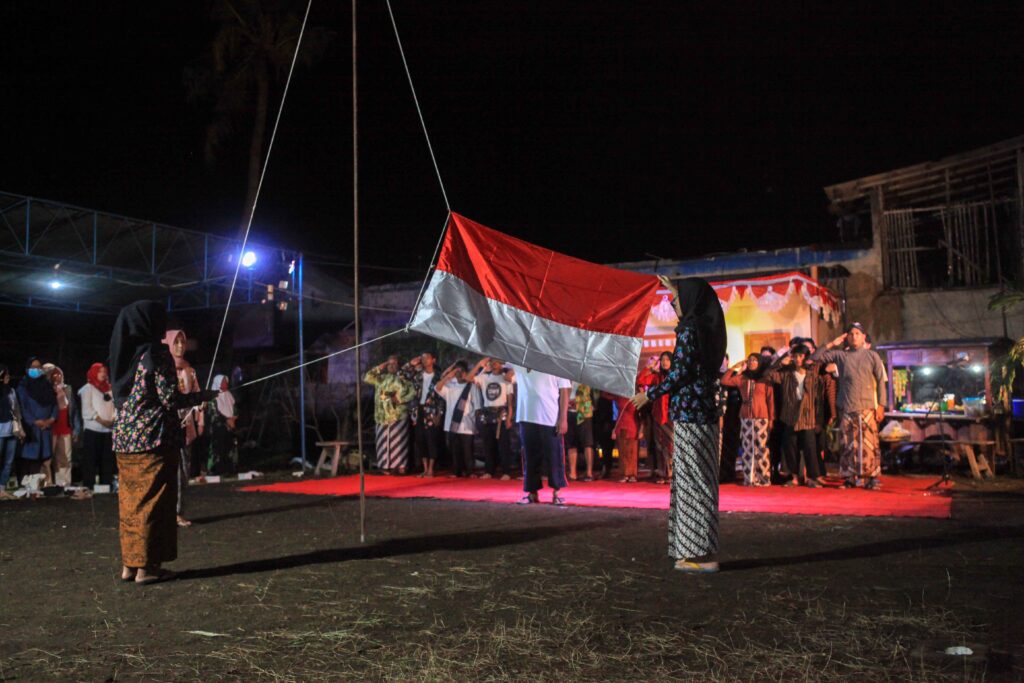
Last month was the most special month for Indonesia. So special that the owner of the name Agus also benefits this month because he is granted exclusive privileges like discounts or freebies. The month of August became the momentum of Indonesia’s victory over colonialism. The celebration of independence is celebrated by putting up a red and white flag on the side of the road, followed by a competition, and a flag-raising ceremony to mark the occasion of independence.
It has become customary to participate in a paskibra team or a sack race to commemorate independence. In fact, there are many other ways that can be done while contributing to the country. Here are ways to celebrate independence day while participating in preserving culture and building the country:
1. Visiting museums or historical sites
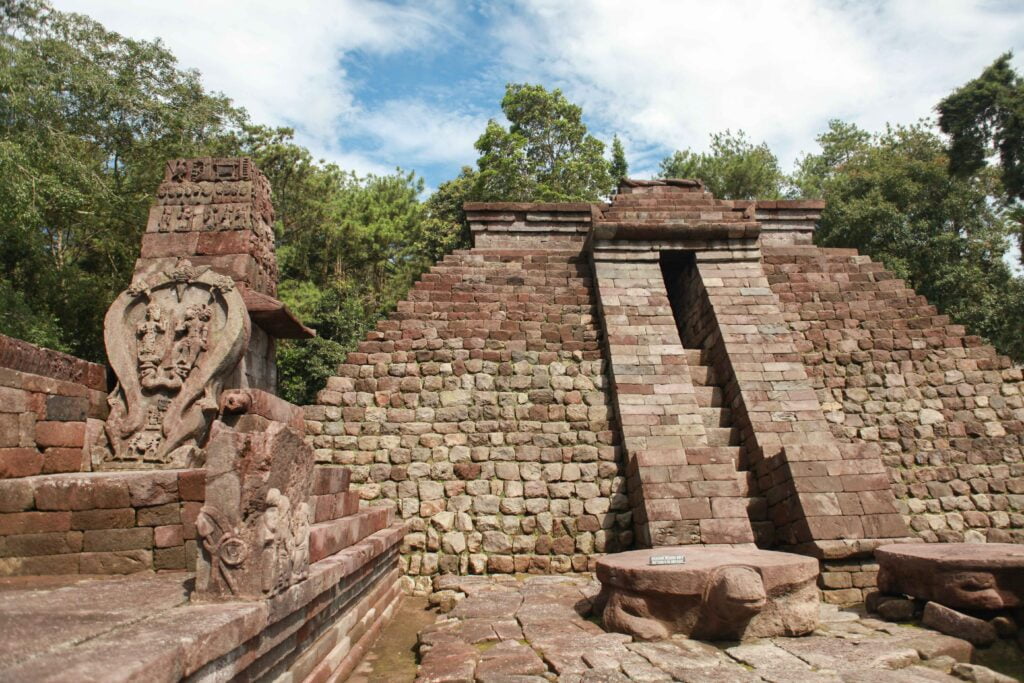
What’s the use of thinking back on the past, some might ask? It’s true that simply thinking back on the past won’t make the present or the future any better. Studying the past, however, aids in our memory of earlier occurrences, which will help us understand and learn from them in order to deal with challenges in the future. By going to historical sites or museums, we are encouraged to learn more about Indonesia and expand our perspectives. We also respect how Indonesia developed from the period of the kingdom to the present.
The National Museum in Jakarta, often known as the Museum Gajah, is among the places in Indonesia that are worth visiting. Here, we can find both historical artifacts from antiquity and ethnic things from different parts of the archipelago, like weaving, carvings, weapons, and so on.
If you’re interested in visiting ancient sites like temples, Yogyakarta might be the right place. The location is not so far from the Borobudur temple which is the largest temple in Indonesia. There are other Hindu-Buddhist temples in this city, including Prambanan Temple, Ijo Temple, Ratu Boko Temple, and others. Every temple has a unique history and purpose, and even in the way they are built, we can sometimes discern how religion has changed over time.
For those of you who prefer art, the Art Museum collection of Antonio Blanco’s paintings in Ubud, Bali can be an option to visit. These paintings provide insight into Bali’s social and cultural anthropology as well as the evolution of art around the island.
2. Learning indigenous languages
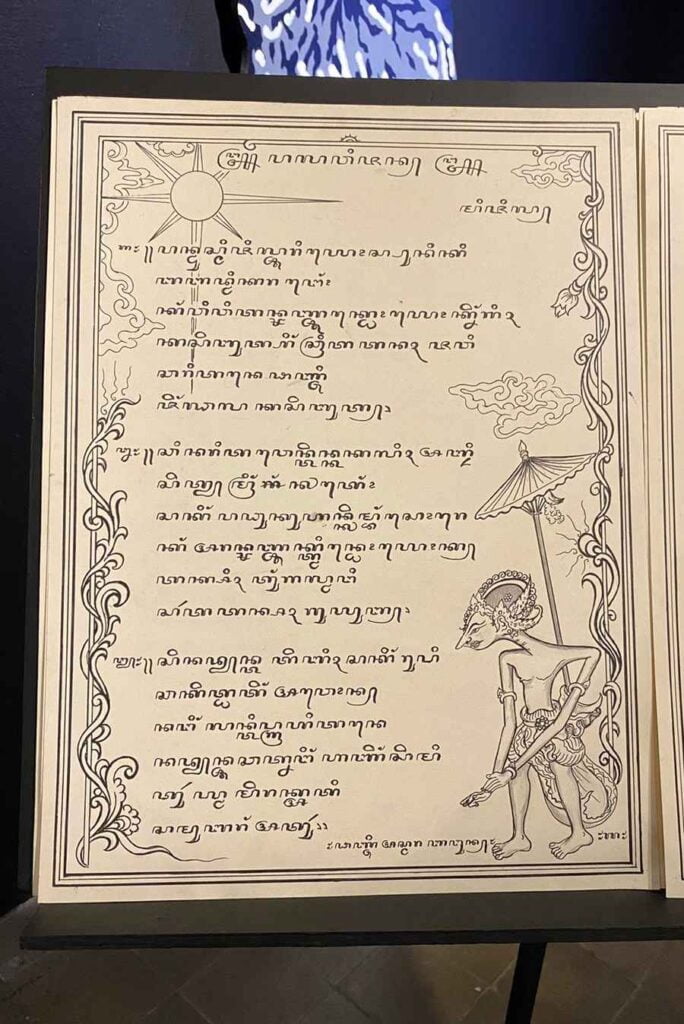
Who wouldn’t be proud if being an Indonesian meant being bilingual by default? Indonesia is very rich in linguistic diversity, in fact it ranks second in the country with the largest number of languages after Papua New Guinea. Indonesia is home to more than 700 different languages, which means that 10% of all languages in the world are spoken there. In additionIndonesia is rich in languages as well as regionally distinct scripts, such as Hanacaraka (Javanese script), Lontara (Bugis script), and Rejang (South Sumatra and Bengkulu script).
Given that each region has its own local language, the majority of people born in Indonesia can master two languages, namely the mother tongue (Indonesian) and the indigeonous language. The fact that there are fewer speakers shouldn’t cause this wealth to decline. Learning the indigenous tongues keeps them alive and prevents their extinction.
3. Visiting local tourism
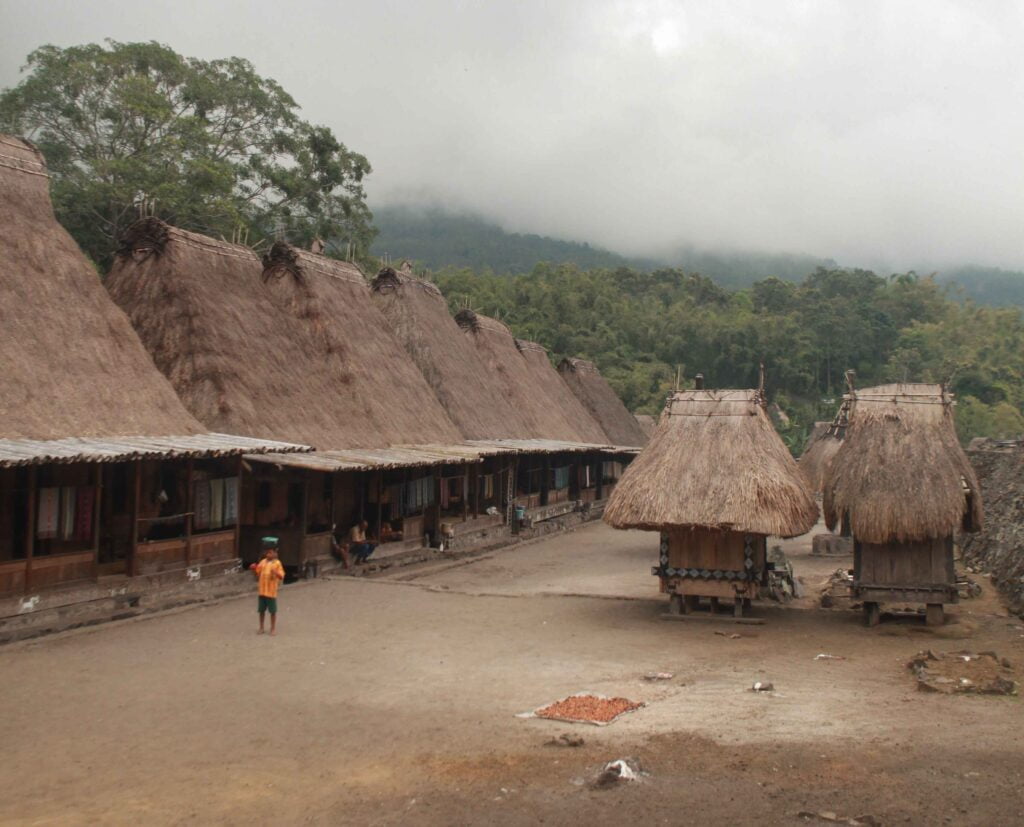
Do you believe that traveling within the country can help build our country? It also strengthened the rupiah currency. Traveling abroad requires us to exchange foreign currency. By choosing tourist attractions in Indonesia as tourist destinations, we will automatically only transact in rupiah. In addition, Indonesia is becoming a more popular destination for travelers, even earning Forbes’ title of most beautiful nation in the world. So, why go abroad if our own country provides unbeatable beauty?
There are more than just tropical forests and beaches to see in Indonesia. There are numerous natural phenomena that can be found in Indonesia. For instance, the phenomenon that was discovered in Ijen Crater in East Java, similar to the blue fire phenomenon that only happens in Iceland. There is also Padar Island in Labuan Bajo which has three colors of sand on one island, namely pink, white and black sand.
Oetune Beach in Kupang is prepared to give you the feeling of roaming in the desert, so you don’t have to travel all the way to the Middle East if you want to enjoy the beauty of the desert like in the Dune movie. Want to feel the atmosphere of landing on Mars? Mount Bromo is ready to provide a vacation experience to another planet. with a beautiful landscape that resembles Mars.
The grandeur of Scotland’s rolling green hills and Lauterbrunnen, Switzerland’s succession of waterfalls can be found at Mount Rinjani National Park. The Tumpak Sewu waterfall, which is equally significant, is prepared to treat tourists’ eyes with breathtaking sights reminiscent of fairy tales.
4. Learn about traditional craft
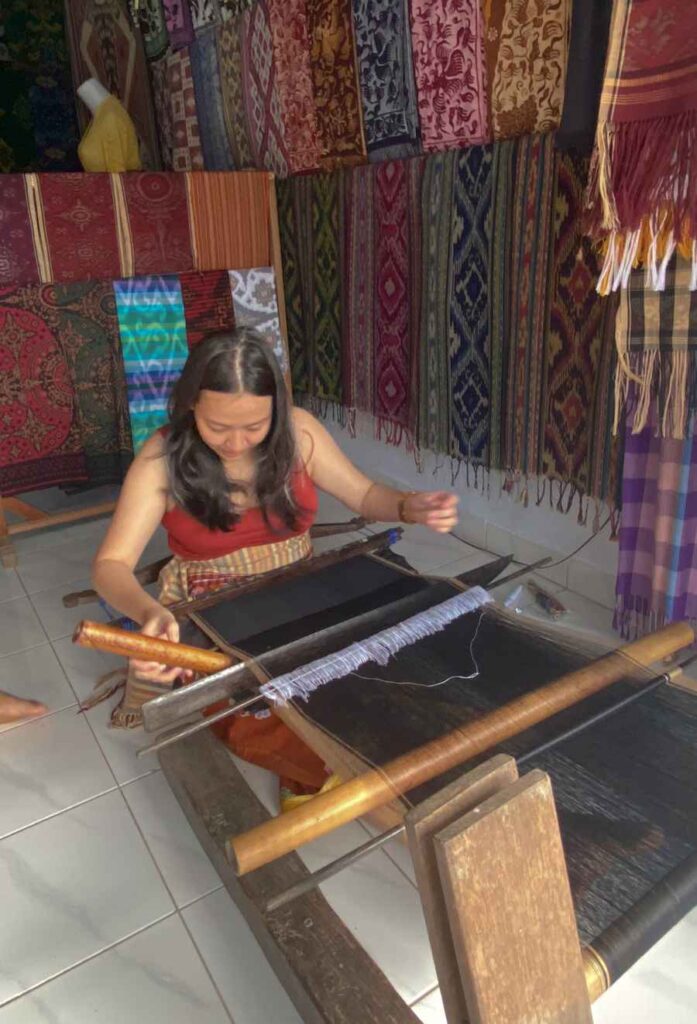
Indonesian crafts come in a wide variety, including clothes, jewelry, weaving, to home decorations. The archipelago’s traditional handicrafts have been exported to other countries and fetch great prices. Many individuals are ready to pay more for traditional crafts since they take longer to do than modern crafts. You may take the opportunity to view the pearl industry when visiting Lombok since the island of Lombok is famous for its pearl crafts, which are known worldwide. On the island of Java, you may explore wooden crafts in Jepara and Kudus. For those who are interested in copper sculpture, Trowulan in East Java can be an option. When it comes to clothing, Indonesia has fabric crafts in each region. Each woven fabric and batik has different motifs and techniques that are interesting to learn.
It is regrettable that many members of the younger generation are no longer carrying on traditions that have been passed down through the generations. Like Bali’s sculptures, the younger generation typically opts to work in hotels and as tour guides rather than as artists. As a result, Balinese carvings have become extinct. It would be nice if we could take part in a workshop or come to a tourist village to learn crafts. Even though it’s not much, from a small contribution you can start to develop an attraction with the hope that in the future there will be more places to learn.
5. Buying local products

Buying local products means contributing to SMEs and local entrepreneurs. Given that Indonesia has the fourth-largest population in the world, it is only natural that other nations view Indonesia as a significant market.By valuing and emphasizing locally produced goods, we will boost the domestic economy by raising state tax income. This tax can be applied to raising people’s welfare. Additionally, supporting local businesses might increase job opportunities.
You can contribute to the preservation of culture by purchasing local goods, particularly crafts and artwork, because doing so allows local producers to keep up their businesses and spread awareness of their creations both domestically and abroad. One of the exhibitions held by the government for SMEs in the cultural field that you should go is Inacraft, usually held at the Jakarta Convention Center. Although it is only held once a year, the collection of various types of ethnic goods and crafts from various regions is quite complete. Our product, TAKALA, can also be used as a cultural touchstone and as an option when selecting and purchasing goods.
6. Learn traditional performing arts
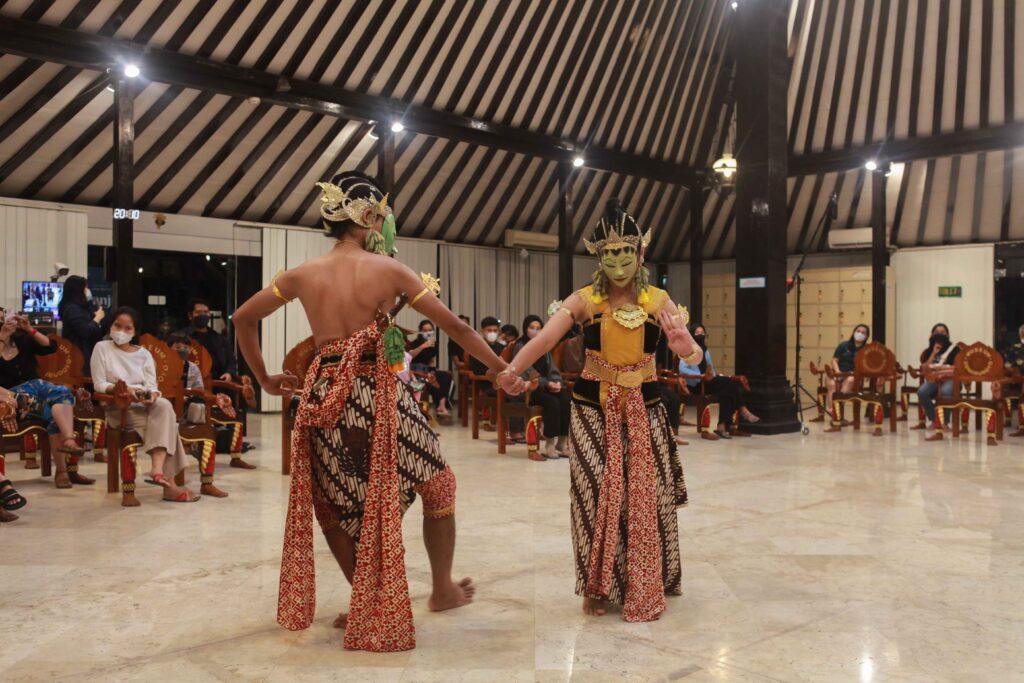
Indonesia is a paradise for performing arts lovers because this country is rich in culture. Some are very sacred and are only performed for special events, some are intended to entertain so that they can be performed at any time. Sadly, young people are beginning to abandon traditional performing arts because they find them to be uninteresting and boring. As a matter of fact, Indonesian traditional art has a special and profound meaning.
There are numerous options if you want to see traditional entertainment, including puppet shows, traditional dances, and theater. From there you can determine what kind of dance or art you want to learn more about. In Bali, the Uluwatu Kecak dance is still a favorite place to enjoy the Kecak dance performance with views of the sea cliffs. In Jogja, there is the Ramayana Ballet which is located at Prambanan Temple so that visitors can enjoy theater performances with a view of Prambanan Temple at night.
Aside from dance, there are also regionally specific musical instruments, such as the gamelan in Central Java, the angklung in West Java, the sasando on Rote Island, and the sape in Kalimantan. It would be wonderful to spend the time, if you were to travel to these places, to see traditional performances and listen to traditional music, in order to support the livelihood and survival of traditional artists. In Bandung, one of the musical productions that may be seen is Angklung Saung Udjo.
7. Trying local cuisine
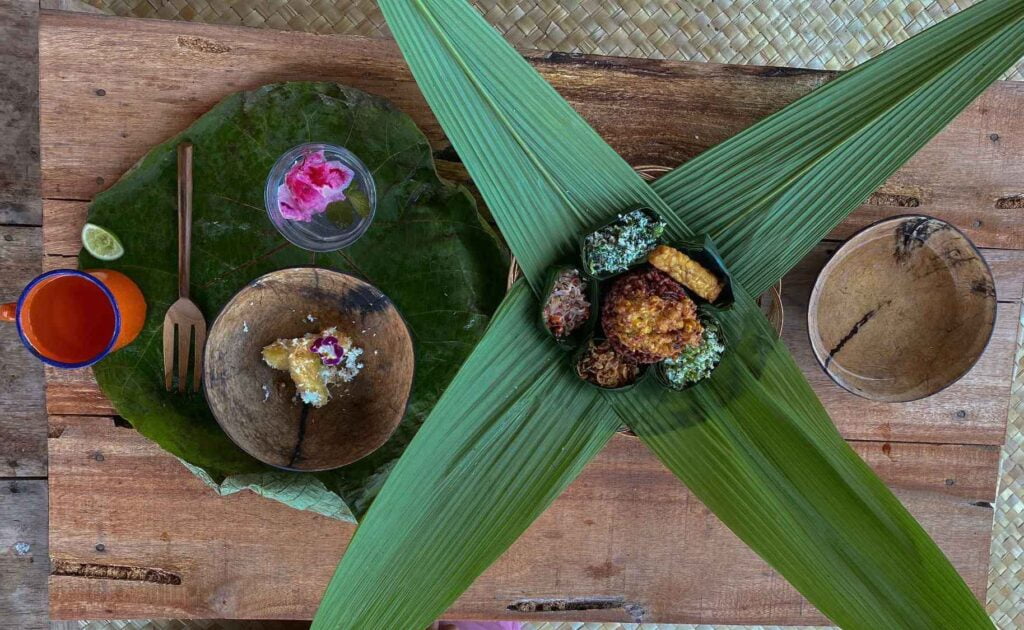
If you have entered the culinary realm, it is undeniable that our country is rich in a variety of delicious dishes. None other than because our country is rich in spices. The richness of this spice makes the Indonesian cuisine rich in taste. You will experience a distinct type of cuisine from the further west, Sabang to further east, Merauke. Like in Jogja, the cuisine is dominated by sweet taste. It is different from East Java, although both are located on the island of Java, the dominant taste in East Java is salty. While on the island of Lombok, the spicy taste dominates.
Each region in Indonesia has its own culinary icon. On Belitung Island, there are Belitung noodles which uniquely use simpur leaves as a food base which also serves to give a distinctive fragrance to the food. On the island of Lombok, you can try the Taliwang chicken, which is rumored to have emerged as a dish of peace that helped end the conflict between the Selaparang Kingdom, located on Lombok, and the Karangasem Kingdom, located on Bali.
The majority of the time, chefs at traditional Indonesian restaurants employ sustainable resources, like banana or teak leaves, to wrap their meals. As a result, we encourage culinary actors to support efforts to protect the environment. Additionally, we support the citizens of our nation’s economy.
If you’re in Labuan Bajo, Dapur Tara is the best place to sample authentic Flores food while dining in a garden setting. Despite being close to the city center, there is no signal or Wi-Fi available. However, this is actually a good reason to spend more time communicating with the people around you.
Bali is not only a paradise for tourism, but also local cuisine. If you visit the Island of the Gods, you can come to Maukami which is located in Canggu and Kitchen Bali Mula in Tejakula. Both have the concept of harmony with nature. In both restaurants, you can come see and learn how to process traditional dishes. At Maukami, visitors will be taught about environmentally friendly agriculture by walking around their small garden. Meanwhile at Dapur Mula, they have a unique concept of volunteering. There is no price list for the dishes we eat. We will only be asked to put money into the jar provided.
