
Uncategorized
Majestic Village Above the Clouds
Sep
What comes to our mind when we hear about Flores island? Without a doubt, the Komodo dragon and the savanna hills will lead us to discover the actual existence of Jurassic Park. Tourists can also join a Phinisi Boat sailing excursion to get a glimpse of life as a pirate. Labuan Bajo might be the most popular destination in Flores. However, Flores is more than just a cluster of exotic islands with the ancient endemic animal. Flores is a home for eight ethnic groups that live on the island. This diversity makes Flores island rich in cultures, traditions and languages.
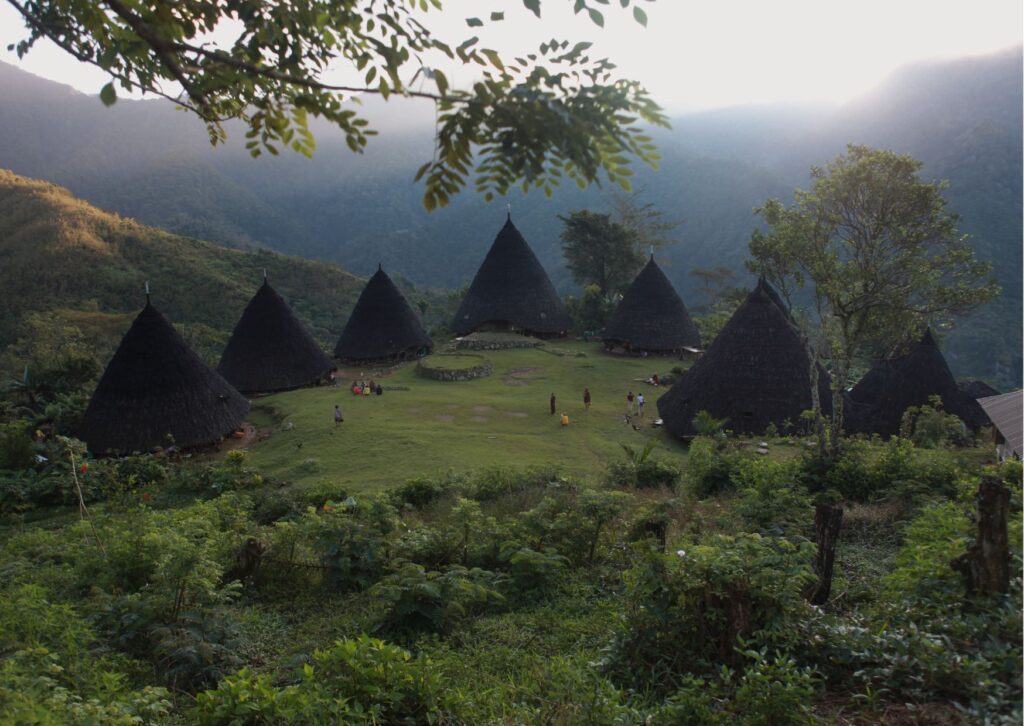
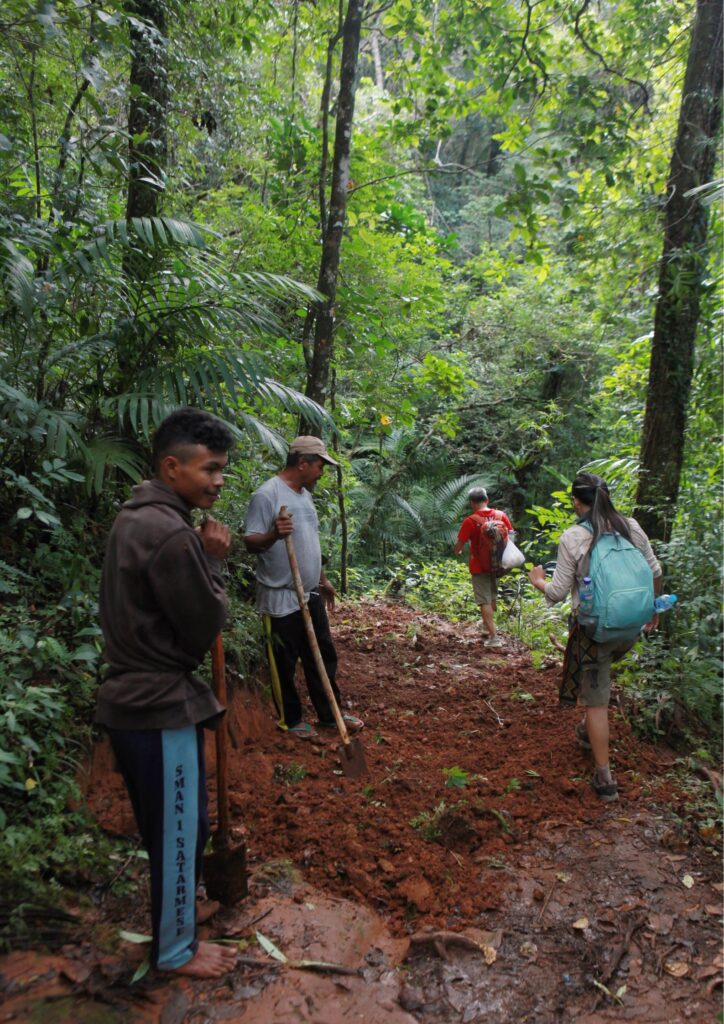
Apart from spending time in Labuan Bajo, there are a lot of other places to discover. Wae Rebo could be one of the options. Wae Rebo is a traditional village which is located isolated on the peak of Mount Pocoroko with an elevation of about 1,200 MASL. To reach this village, tourists need to do the trekking for about 3-4 hours.
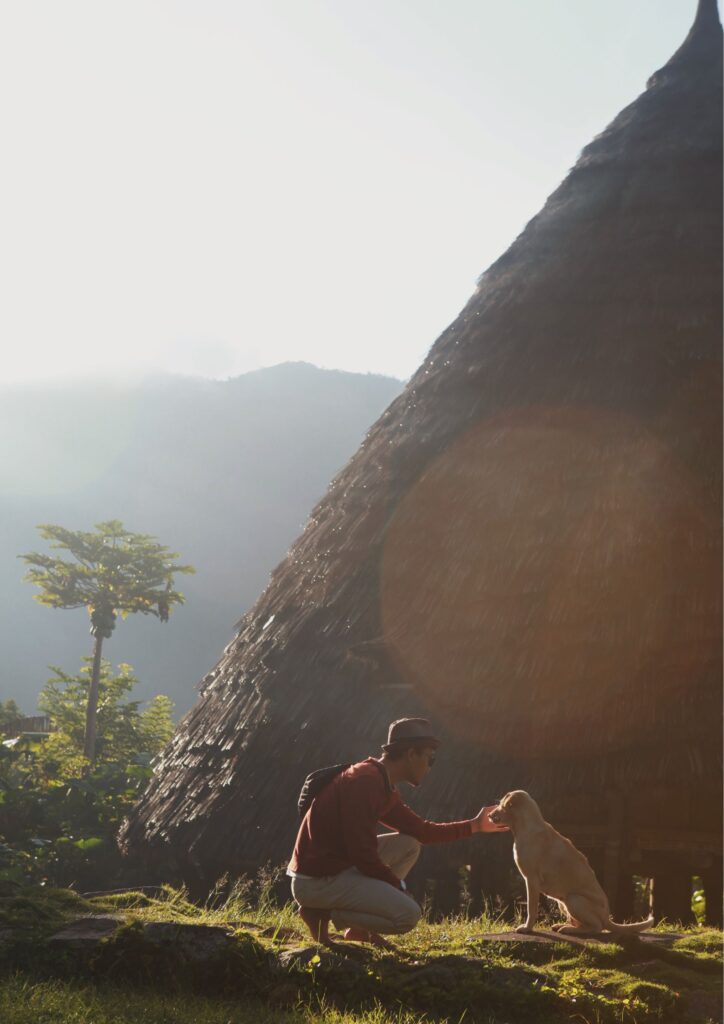
The uniqueness of this village lies in the traditional house architecture with a conical roof that almost touches the ground. This traditional house is called Mbaru Niang and can only be found in Wae Rebo traditional village. Mbaru Niang became a home for Manggarai people, a tribe from the western part of Flores. The locals believe that their ancestors came from Minangkabau who traveled to Sulawesi and stopped by on the island of Flores.
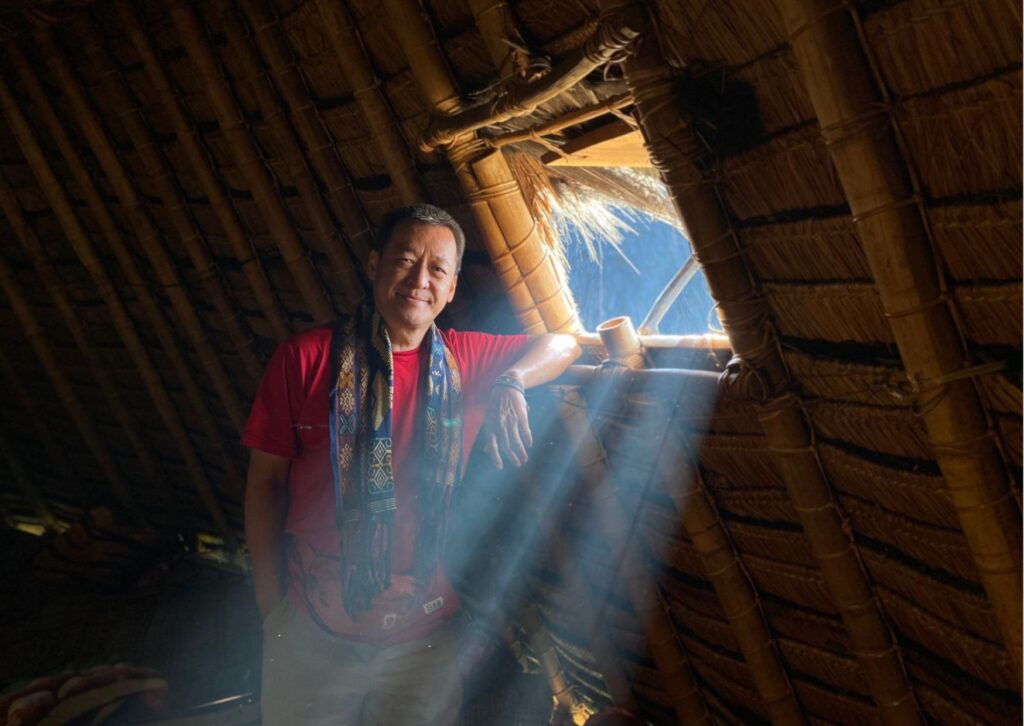
The term “Niang” describes a house with a conical roof and a vault. So, Mbaru Niang is a home with a 15 meters high conical roof. The roof also functions as the house wall. The roof is made of lontar leaves covered by black palm fiber, while the walls are made of worok wood and bamboo. The entire construction of Mbaru Niang was made using just rattan rope knots and was constructed without the use of nails. Mbaru Niang has a hollow (ngaung), which is typically used to house cattle, store firewood, and weave fabrics.
A primary pillar for Mbaru Niang is known as siri bongkok, which roughly translates as ‘getting wood from the forest’. Roko Molas Poco is a ritual of carrying (roko) the main pillar (siri bongkok) which is symbolized as a beautiful girl (molas) who comes from the mountain (poco). The young woman will enter the traditional house’s construction site in a parade.
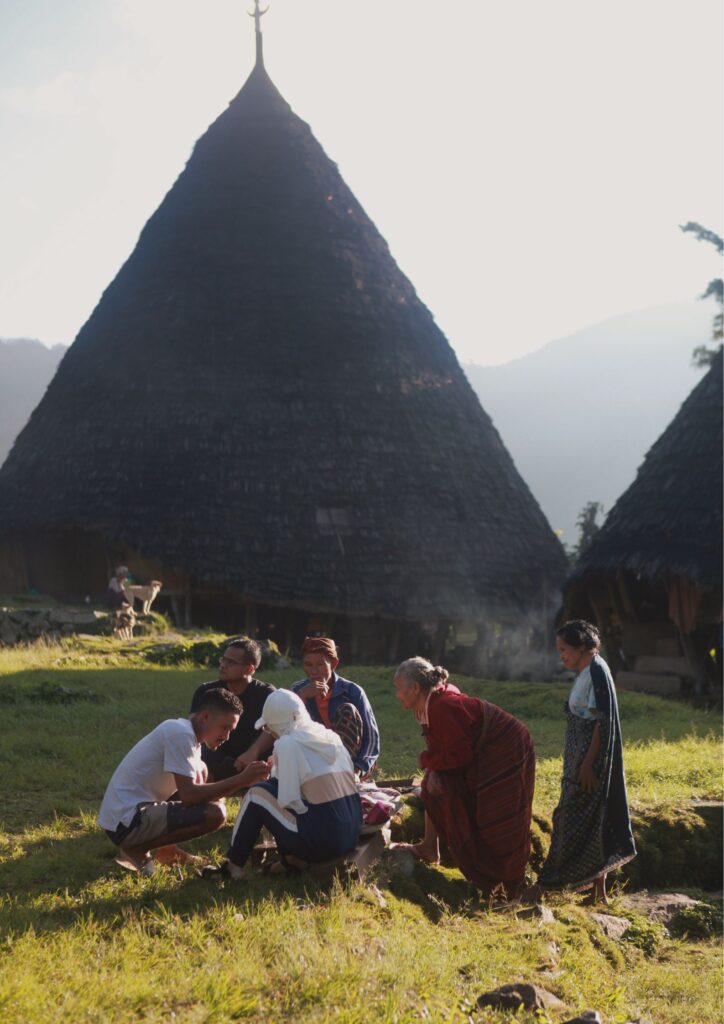
There are only seven Mbaru Niang in Wae Rebo village. One Mbaru Niang is inhabited by six to eight families. Each house has its own design and purpose. The main house is called Niang Gendang which is a place to store gendang (traditional music instrument) and heirlooms belonging to the village. This house is also the residence of the tribal chief. The size of Niang Gendang is bigger than the other houses. Niang Gendang is located in the middle and the only house that has kaba kaki (buffalo horn) with a human face engraved on the top of the house.
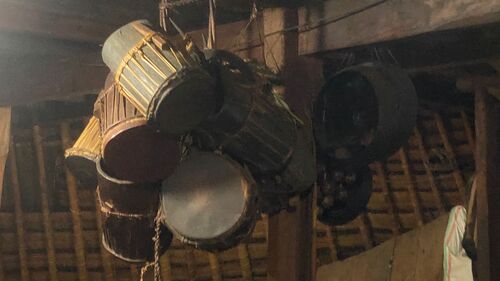
The other house is called Niang Bendar that is used for the residence of ordinary folks. There are six Niang Bendar named Niang Gena Maro, Niang Gena Jintam, Niang Gena Pirung, Niang Gena Ndorom, Niang Gena Mandok, and Niang Gena Jekong. The seven Mbaru Niang are built facing the south in a semicircular pattern. The purpose of this pattern is to prevent the houses from turning away from one another.
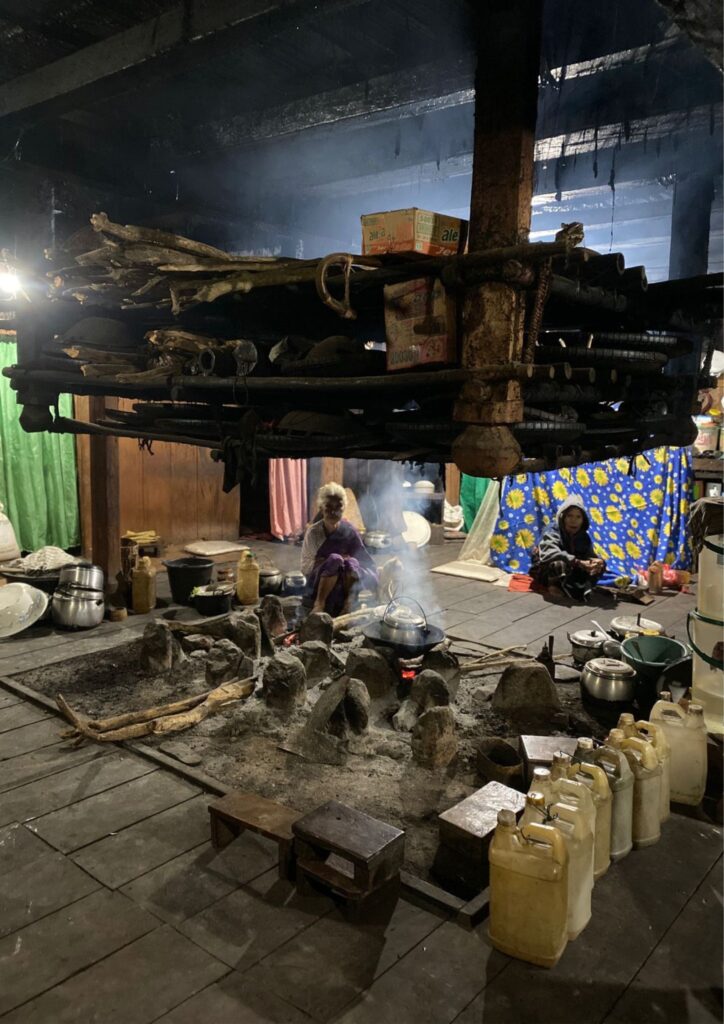
Mbaru Niang consists of five floors. Each floor has its own name and function:
- Lutur, a place for family gathering and living.
- Lobo, a place to store foods and daily goods. There’s a hanging pole in Lobo that is round and the size of a human’s head which symbolizes the birth of a baby.
- Lentar, a place to store seeds.
- Lempa Rae, a place for food stock in times of crisis such as drought.
- Hekang Kode, a place for offerings to ancestral spirits.
Mbaru Niang is a symbol of a mother who always nurtures and protects. While the connection in the construction of the building symbolizes the marriage of a man and woman who are building a new family.
The uniqueness of Wae Rebo Traditional Village is under danger because it must meet the demands of the tourism industry. Since the primary objective of this town is to pamper visitors, its holiness is progressively eroding. Some rituals lose their purpose and philosophy when they are changed or condensed. In addition, Wae Rebo’s authenticity as a traditional village is tarnished by the rows of sponsorship stickers that adhere to the guest house’s walls. The magical power and sacredness of this village has turned into an exotic hotel in the middle of a tropical rainforest.
