
Uncategorized
Borneo, Kaharingan and King of Ban’u
Nov
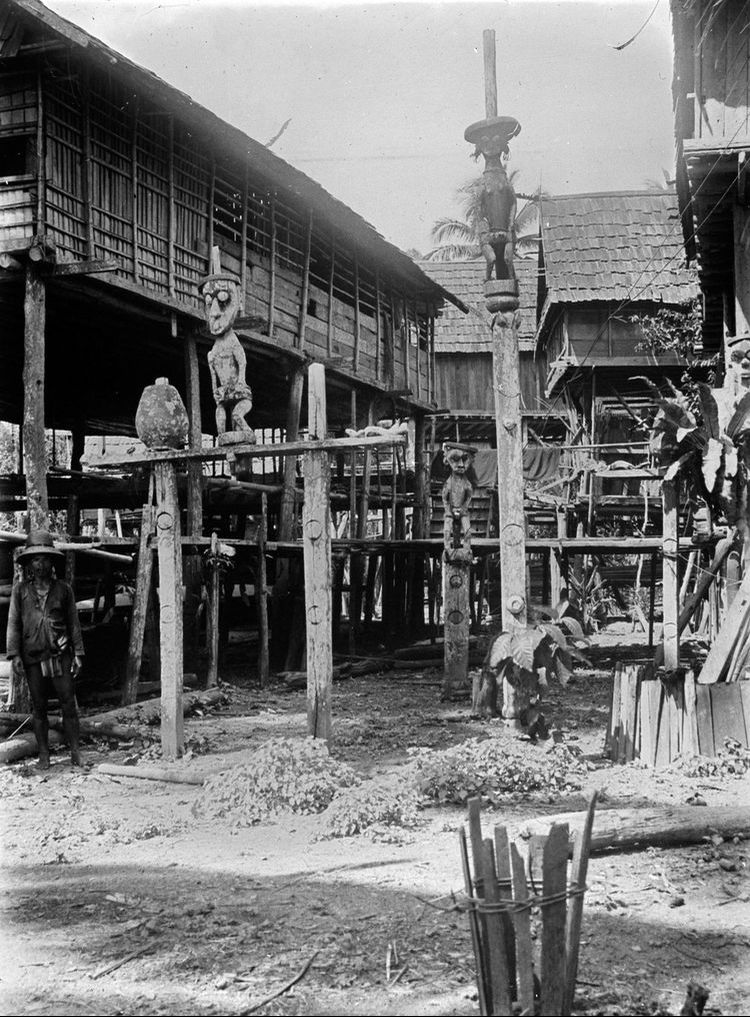
The Kalimantan island or known as island of Borneo is one of the largest islands in the world, with an area of 743,330 square kilometres and is divided into three regions, Indonesia as much as 73%, Malaysia 26%, and Brunei Darussalam 1%. This means that the mainland of Kalimantan, which is part of Indonesia’s territory, covers an area of 544,150 square kilometres and is divided into five provinces. There are the provinces of West Kalimantan, East Kalimantan, South Kalimantan, Central Kalimantan, and North Kalimantan.
Dayak people are one of the indigenous residents of the island of Borneo. The name “Dayak,” is a general term for more than 200 ethnic sub-groups of tribes who generally live in rivers or mountains in the southern and central parts of the island.
The Dayak tribe is present across Borneo’s whole island, including Malaysia and Brunei. The Dayak tribe itself is divided into six rumpun (a group of people with same the same belief and culture), including the Klemantan, Apokayan, Iban, Murut, Ot Danum-Ngaju, and Punan.
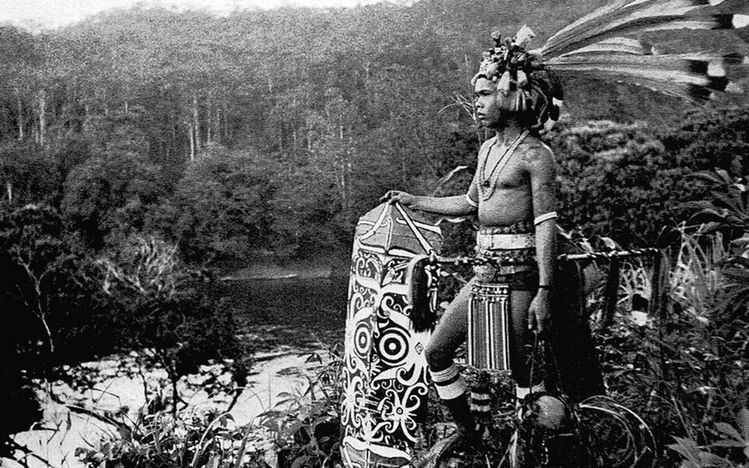
On the island of Borneo, the Dayak tribe has a native religion known as Kaharingan. This belief has existed for tens or hundreds of years in Kalimantan even before other religions entered Kalimantan. So that the Kaharingan religion is one of the ancestral religions in Indonesia that still survives and is still embraced by some Dayak tribes, especially in Central Kalimantan and South Kalimantan. Kaharingan, as in the phrase “danum kaharingan” (water of life), meaning to grow or live. The Kaharingan has been practiced for generations on the island of Borneo and is centered on faith in the Almighty (Ranying Hatalla Langit). The symbol of the Kaharingan religion is the Batang Garing symbol, which means the tree of life in this universe. This symbol, which represents the Dayak tribe, is frequently seen on several structures and has evolved into the original carving and batik pattern.
Kaharingan religious places of worship are called Balai Basarah or Balai Kaharingan. Their religious scriptures are Panaturan and other Kaharingan religious books such as Kidung Kandayu, Talatah Basarah (A Collection of Prayers), Tawur (Directions on How to Pray for God’s Assistance with the Rice Sowing Ceremony), and so on.
Every year the Kaharingan people in Central Kalimantan will hold a festive event called the Tandak Diamond Kaharingan Festival where the activities include several Kaharingan religious competitions such as a Karungut chanting competition, a Panaturan holy book reading competition, a Kandayu song singing competition, a Dayak traditional dance competition, and many more.
All people, according to the Kaharingan faith, are descended from King Bunu’s ancestors, who during their lifetimes sought to reach Ranying Hatalla Langit. One day, King Bunu was awarded by Ranying Hatalla Langit an iron called Sanaman Lenteng. It was accidentally found by King Bunu when he was playing in the river with his two brothers, King Sangen and King Sangiang. Strangely, one end of the iron that the three brothers discovered rises to the surface of the water while the other end sinks.
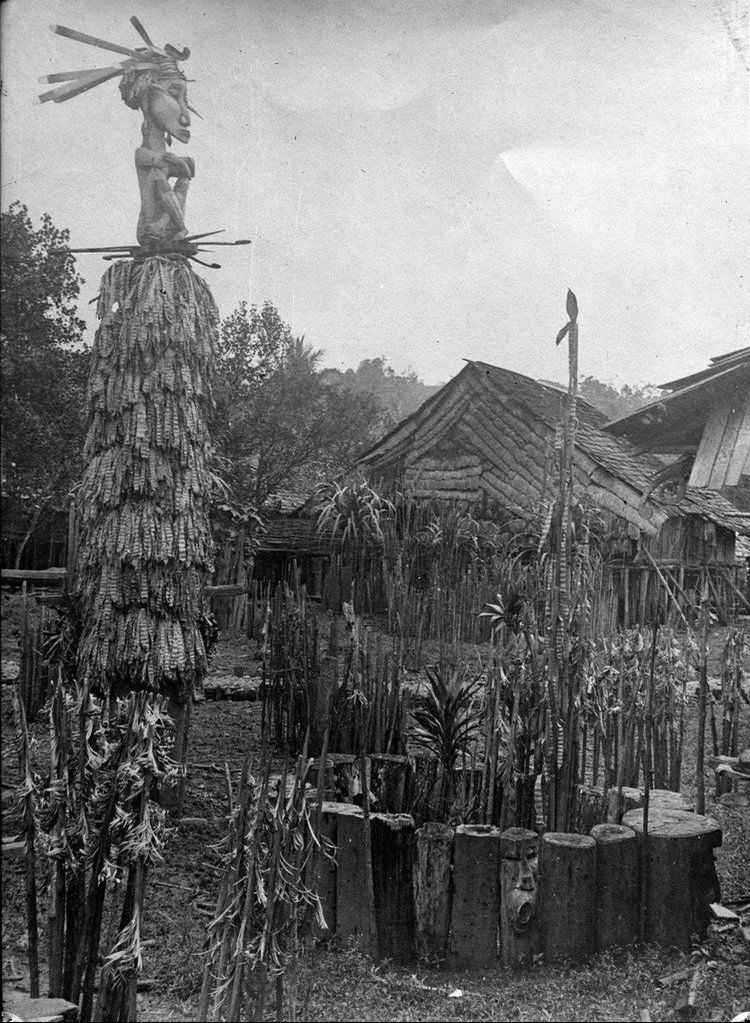
According to the legend, King Bunu mistakenly grasped the tip of the sinking Sanaman Lenteng while his two brothers gripped the end that rose above the water. As a result, King Bunu’s life was not immortal like the lives of the other two brothers. The iron they found was subsequently transformed by their father into Dohong Papan Benteng, a unique kind of instrument that resembles a knife.
King Bunu and his two brothers received a gift from Ranying Hatalla Langit, a bird called Gajah Bakapek Bulau Unta Hajaran Tandang Barikur Hintan, when they were on Engkan Penyang Hill. According to Hindu Kaharingan tradition, the spot where the bird dies is endowed with endless prosperity and is known as Lewu Tatau (Heaven).
King Bunu was inherited to inhabit the earth with the characteristics of his descendants being able to pass away after the ninth generation. King Bunu’s inability to chew betel nuts is another trait, leading to the substitution of rice, side dishes, and other foods more akin to what we eat today. His two brothers, however, live eternally in Lewu Tatau (Heaven) without experiencing death.
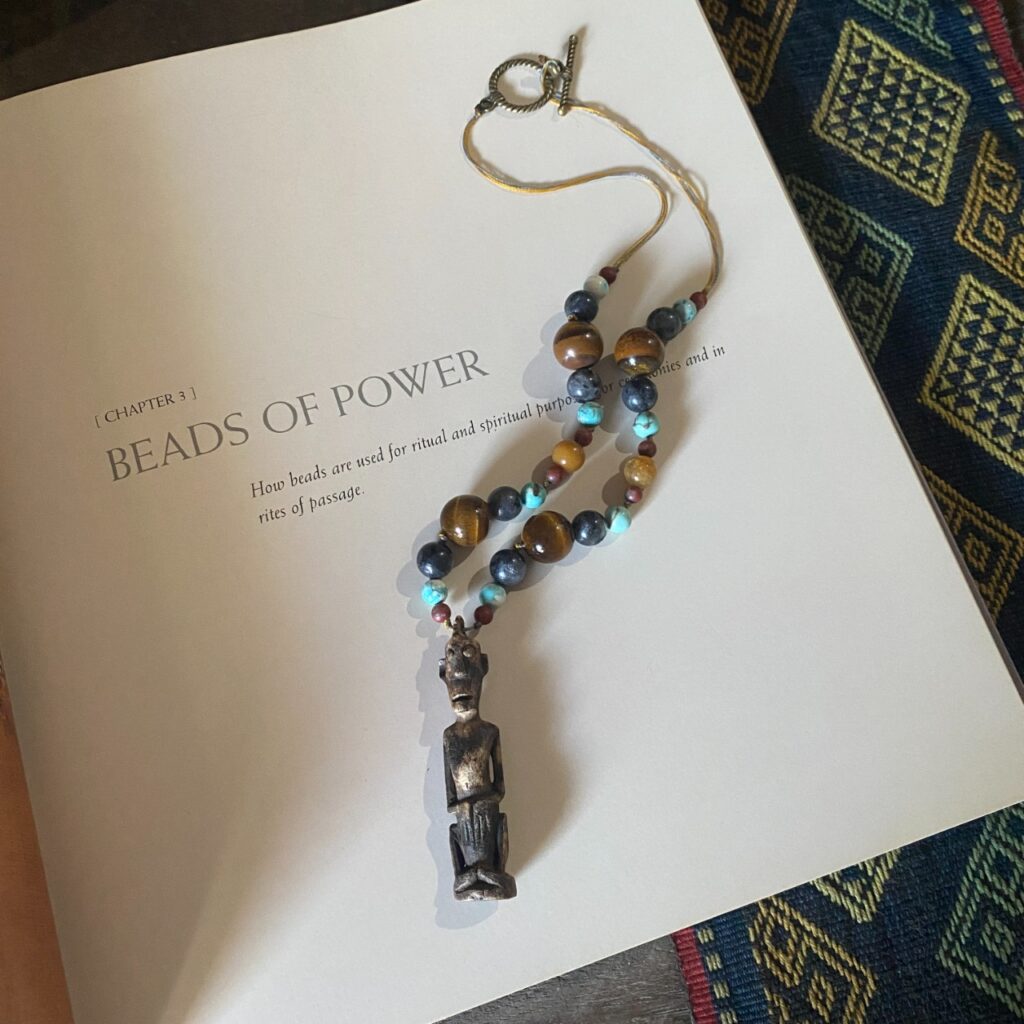
The story of the King Banu inspired Dayak artists to carve the figure of the king in the form of bone and wood carvings. This carving, which has evolved into a work of art, serves as a reminder to Dayak descendants of the value of King Banu as the first person to arrive from the heavenly realm on Dayak land.
The majority of Kalimantan’s Dayak descendants still practice the Kaharingan, which is led by Prof. Drs. I Ketut Subagiasta, M.Sc., D.Phil. Since 2014, the STAHN-TP Palangka Raya, Central Kalimantan development plan has been implemented. According to Presidential Decree No. 31 of 2018, the president established a Presidential Regulation on the Tampung Penyang State Hindu Institute in order to grow the root and rumpun of Hinduism belief and address community development needs. With the Hindu Kaharingan course offered at this school, it is intended that this religion would survive and flourish for the descendants of the Dayak, both in terms of history, language, and native Dayak culture.
