
Uncategorized
Sea Gypsies Tribe
Nov
Superheroes are defined not only by their ability to defeat villains but also by the intrinsic strength they possess. These abilities are, in fact, fictional inventions made for entertainment. However, what if one of the powers could be encountered in real life?
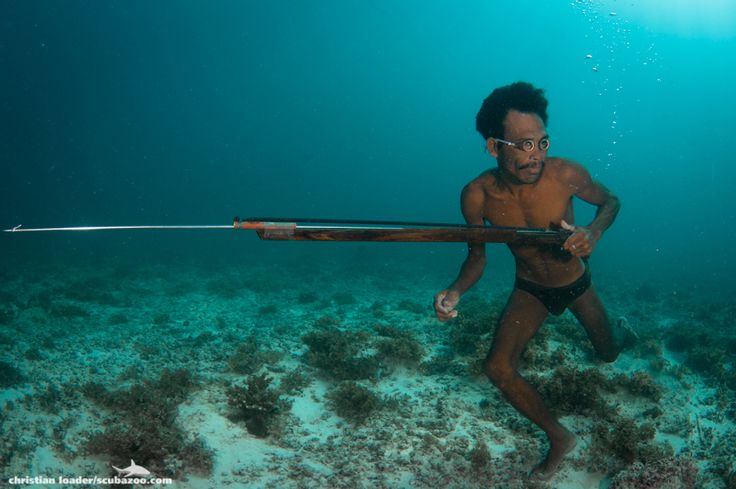
The Bajau tribe is called the Aquaman of Southeast Asia because of their proficiency in diving. The Bajau, often known as the “Sea Gypsies,” consider the ocean to be more than just a wide expanse of water, but also as a place to call home. It is hardly surprising that the Bajau are proficient divers given they are surrounded by water. They can submerge to a depth of 60 meters without oxygen or diving gear. Additionally, they can also hold their breath for up to 20 minutes.
This innate capacity comes from a DNA mutation in the Bajau people’s spleen, which makes it larger and stronger than the spleens of other people. As a result, the Bajau can survive in water for extended periods of time without the use of any diving equipments. This is brought on by the Bajau people’s adoption from the time of their ancestors. The ordinary person can only hold his breath for less than a minute, thus this innate talent is significantly superior.
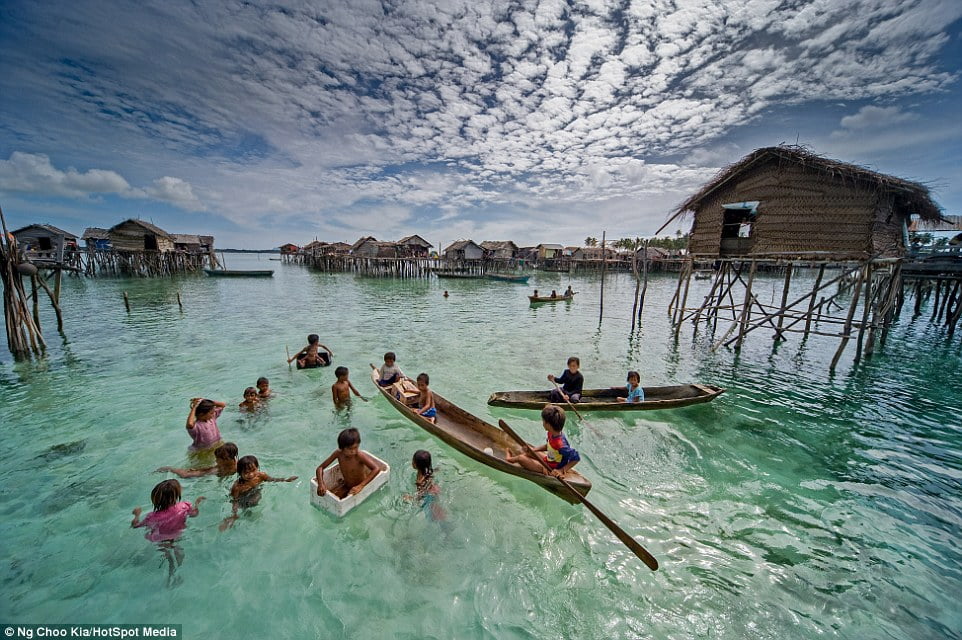
Since ancient times, communities in archipelagic nations like Indonesia, Malaysia, and the Philippines have coexisted with the sea. The close relationship has been formed since the civilization of their ancestors. On the other hand, one may say that the Bajau tribe and the ocean have a special relationship. They have a bond that extends beyond the fact that land-based people require the ocean to cohabit peacefully with them. The Bajau are a sea nomadic tribe. They are oceanic creatures who don’t reside on land. The sea is not only a strange place full of mystery that surrounds their place of residence; the sea is their home. The majority of their time is devoted to the sea.
In Indonesia, the Bajau can be found in a number of seas, including those in Kalimantan, Sulawesi, East Nusa Tenggara and West Nusa Tenggara. These territories are quite close to the Sulu Archipelago in the Philippines from which they originate. The Bajau are a free people who are not tied to one country or region. Many of them are stateless.
Unfortunately, this nomadic lifestyle creates new issues like a higher risk of deportation. The Bajau tribe did not have citizenship in the past since they lived a nomadic life on the ocean and were not required to serve a single nation. Even though it is a foreign territory, they have a territorial region that has existed since the time of their ancestors and into which entry is permitted under their customary law (overseas). In the present, this situation can subject them to criminal penalties if they enter foreign territorial seas.
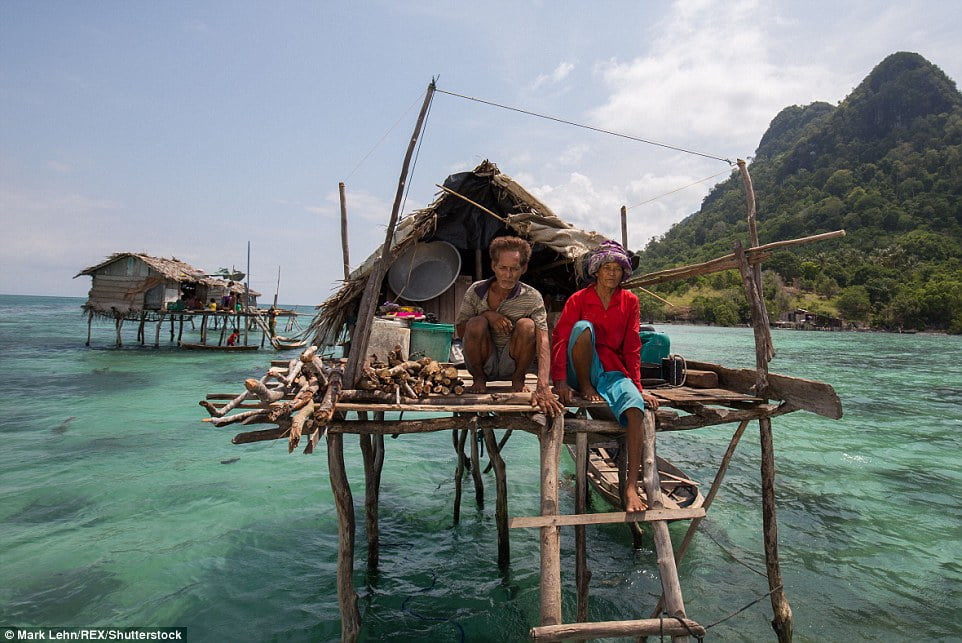
While there are still some who live as nomads, many of the Bajau people have settled down. They build houses on the water or on the beach. Even though they no longer sail from island to island like their ancestors did, they nevertheless commit themselves to the sea by working in and living near the water. Their primary source of income is fishing, and they mostly capture fish using traditional techniques like rumpon (Fish Aggregating Device), which is how the Bajau people often catch fish using mounds of bamboo. Some of the Bajau people have started cultivating several marine commodities such as lobster, grouper, or shrimp.
Bibliography
Adiningsih, Y. (2021, 13 June). Suku Bajo, penyelam dan pengembara laut nan ulung. CNN Indonesia. https://www.cnnindonesia.com/gaya-hidup/20210611232129-269-653399/suku-bajo-penyelam-dan-pengembara-laut-nan-ulung/2
Caesaria, S. D. (2022, June 21). Mengenal Suku Bajo, para pengembara lautan. Kompas. https://edukasi.kompas.com/read/2022/06/21/190000071/mengenal-suku-bajo-para-pengembara-lautan?page=all
Indonesia Kaya. (n.d.) Menengok kehidupan Suku Bajo di Pulau Papan. Indonesia Kaya. https://indonesiakaya.com/pustaka-indonesia/menengok-kehidupan-suku-bajo-di-pulau-papan/
