
Uncategorized
The Forgotten Batak Calendar
Oct
The ancestors of the archipelago had long known the science of astronomy, long before adopting the external calendar system. The Indonesian calendar has various variations since our predecessors’ astronomical knowledge was extremely varied. As a result, each region celebrates the new year differently. For example, Java celebrates Satu Suro and Bali celebrates Saka New Year.
In North Sumatra, the Batak people have a unique calendar system. It’s known as Parhalaan, which contains an ancient manuscript of Batak Tribe’s calendar system. The Batak tribe follows a sun-based calendar with 360 days in a year, 12 months in a year, and 30 days in each month. The start of the Batak New Year is marked by the Mangase Taon (Year Offering) ceremony. To determine the beginning of the year, The Datu (shaman) will look at the moon’s position.
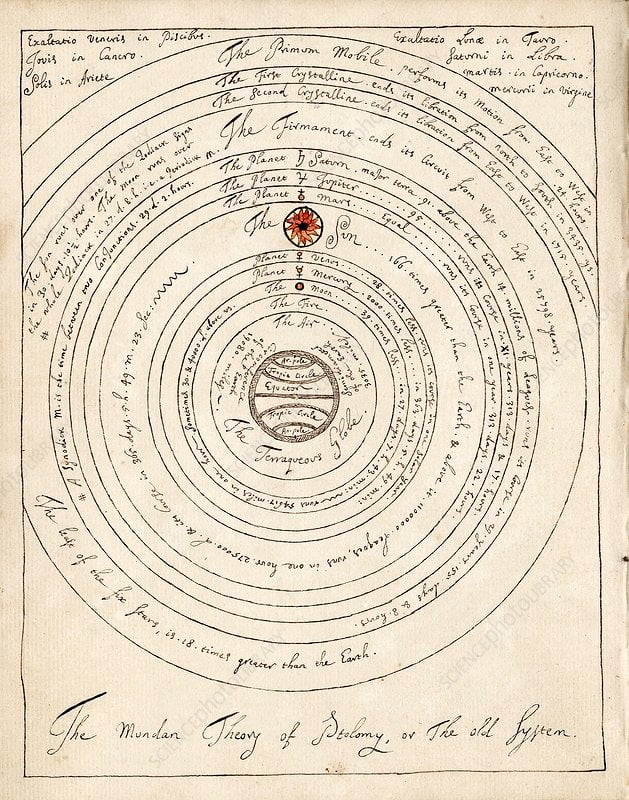
The science of Batak astronomy is associated with a legend believed by the Batak people entitled ‘Porbadaan ni Bulan dohot Mataniari‘ (The Battle of the Moon and the Sun). According to this legend, the sun and moon are rivals who can never get along and are constantly chasing one another. This legend gave rise to the Batak calendar system based on the movement of the sun and moon that chased around the earth. This legend also proves that the Batak people adhere to the geocentric theory in which the earth is the center of the solar system.
Contrary to the Gregorian calendar, which has seven days in a week, Parhalaan only has four days in a week. Additionally, Parhalaan has a four-year cycle that includes an extra month (thirteenth month), known as Sipaha Li (Sipaha Sampulutolu), and a year with thirteenth month, known as Taon Li (Year of Li). The harvesting and planting seasons follow a four-year cycle, which results in this increment. The first year of Parhalaan, which fell in 802 AD, was designated as Year 1 Batak (1 B) when the date was recorded. The year prior to Year 1 Batak was referred to as Year 1 of Batak Mythology or shortened as 1 MB, which corresponded to 801 AD.
Because Parhalaan only has four days in a week, the Batak people are unaware of Sunday. After the arrival of missionaries in the Batak Land, Batak people started to convert to Christianity. The Batak calendar, however, did not have a Sunday, thus missionaries combined it with the Gregorian calendar to have seven days in a week in order to avoid conflicting with Sundays, which are set apart for worship and rest (holidays).
Although the Batak calendar only contains four days every week, the day repeats every seven days of the week, which is another distinctive feature of the Batak calendar. In the Batak calendar, the seven fundamental day names are Artia, Suma, Anggara, Muda, Boraspati, Singkora, and Samisara. The names will be repeated every seven days except for the third repetition (third week), Artia‘s name is changed to Tula which means Full Moon.
Being illiterate in numbers, the Batak utilize names to keep track of time. The first month on the Batak calendar is generally celebrated in April in the Gregorian calendar. The Batak calendar’s month names are as follows:
- Sipaha Sada (first month) = April
- Sipaha Dua (second month) = May
- Sipaha Tolu (third month) = June
- Sipaha Opat (forth month) = July
- Sipaha Lima (fifth month) = August
- Sipaha Onom (six month) = September
- Sipaha Pitu (seventh month) = October
- Sipaha Walu (eighth month) = November
- Sipaha Sia (ninth month) = December
- Sipaha Sapulu (tenth month) = January
- Sipaha Sabolas(eleventh month) = Februay
- Sipaha Dua Belas (twelfth month) = March
- Sipaha Li (thirteenth month) = Additional month in every four year cycle
The ability to decipher the significance of natural occurrences, good days, and bad days makes Parhalaan special. Looking at the Parhalaan before starting an activity would help you avoid bad luck since the Batak people think that the names of days and months can have both good and bad meanings. The names of the days and their associated taboos are as follows:
- Artia: good for holding deliberations in all matters.
- Suma: good for hunting in the forest, catching prey, talking about something.
- Anggara: unlucky day, good for fighting, making medicine, and hunting.
- Muda: rice day, good for planting and seeding.
- Boraspati: a good day for partying, building a house, entering a new home, looking for work and starting a business.
- Sikkora: good for decision making, stepping overseas, applying for a job, meeting a great person (rank), starting a trade, wedding party and propose a lover.
- Samisara: the king’s day, you can have a big party that has been set by the traditional king of dalihan na tolu.
- Artia ni aek: a good day for all parties, deliberations, flower baths, entering a new house and starting a new business.
- Suma ni anggara: not a good day to do any events or work.
- Anggara sampulu: unlucky day, be careful in communicating.
- Muda ni mangadop: a day to relax and good for any work or party.
- Boraspati langkop: a good day to apply for a job, summon family spirits, and take a flower bath.
- Sikkora lambok: good day for weddings, building a house, visiting parents or in-laws, entering a new house and bathing flowers.
- Samisara purnama: king’s day, very good for having a party.
- Tula: unlucky day, but good for slashing fields and planting coconuts.
- Suma ni holom: not a really good day, but good for fishing and hunting.
- Anggara ni holom: throwing bad luck day, bathing flowers and making medicine.
- Muda ni holom: rice harvest day, very good to start rice harvest.
- Boraspati ni holom: a good day to cut down wooden trees for house construction and fishing.
- Sikkora mora turun: a good day for visiting relatives, moving house and lifting bones.
- Samisara mora turun: good day for laying snares, fishing and hunting.
- Artia ni anggara: a good day to go down to the sea, get rid of diseases, bathe in flowers, make medicine and fishing.
- Suma ni mate: good day for hunting and fishing.
- Anggara ni begu: a good day to pray, ask for fortune and take a flower bath.
- Anggara ni mate: rice day, harvest and party.
- Boraspati na gok: a good day for resting, bringing food for parents, changing parents’ clothes, visiting parents in-laws, wedding party and making medicine.
- Sikkora hundul: day of illness, medicine making, hunting and fishing.
- Samisara bulan mate: good day return to sea, hunting and fishing.
- Hurung: bad day, be careful in plans or steps.
- Ringkar: a good day for discussion and pray.
The Batak calendar is intended to identify good and bad days for activities based on the movement of the moon and sun. For farmers, for instance, this calendar system is helpful in finding the best days to determine the planting season. Sadly, with the advancement of technology and the influx of foreign cultures, Parhalaan started to be abandoned. These days, Parhalaan is only used in religious and cultural ceremony occasions.
